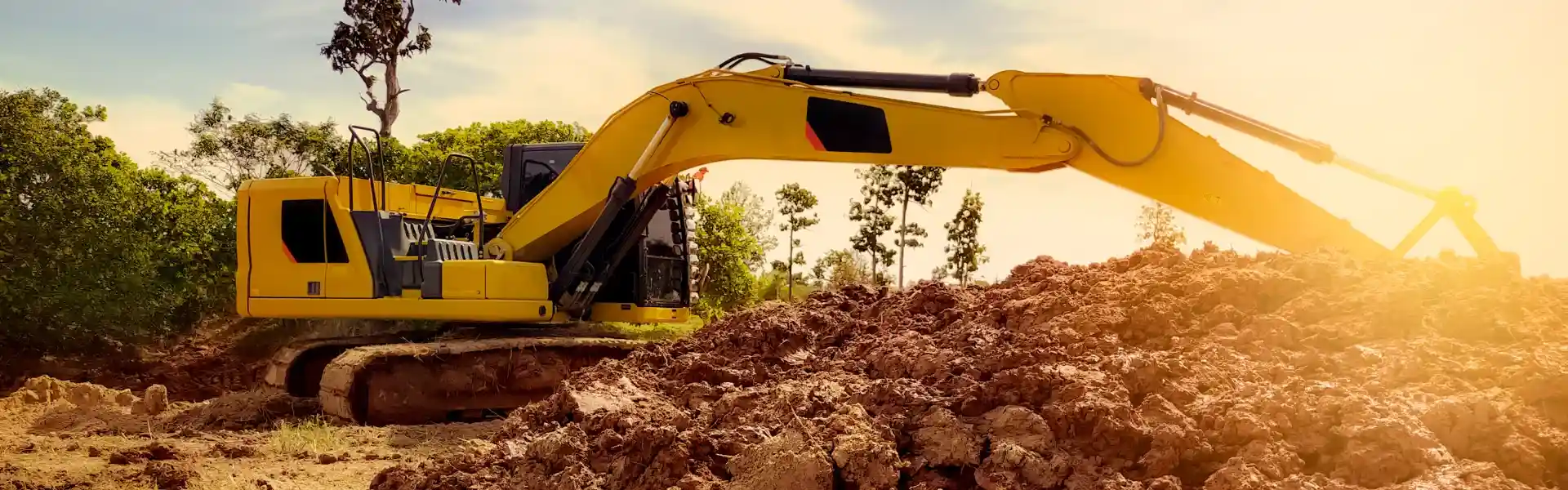
Construction projects depend on assumptions about what lies beneath the surface. When actual conditions differ from what the contract documents indicated or what could reasonably have been anticipated, the cost and schedule impact can be significant. Unexpected rock, unstable soil, undisclosed utilities, contaminated materials, or groundwater conditions not reflected in the plans can bring work to a halt and trigger differing site conditions claims over who bears the added expense.
Differing site conditions claims are among the most fact-intensive disputes in construction law. The outcome typically turns on what the contract documents indicated, what a reasonable contractor would have expected, and whether proper notice was given when the condition was discovered.
We represent property owners, contractors, subcontractors, and developers in differing site conditions claims and disputes throughout Chicago, Cook County, DuPage County, Lake County, and Will County.
Types of Differing Site Conditions
Differing site conditions generally fall into two categories, and the distinction affects how the claim is evaluated.
Type I - Conditions That Differ from the Contract Documents: The actual subsurface or concealed conditions at the site differ materially from what was indicated in the plans, specifications, soil boring logs, or other contract documents. For example, if the contract documents show stable soil conditions but the contractor encounters rock or saturated ground requiring significantly different excavation methods, that is a Type I differing site condition. The key question is whether the contract documents created a reasonable expectation about the conditions that turned out to be inaccurate.
Type II - Unusual Conditions Not Reasonably Anticipated: The actual conditions differ materially from what a reasonable contractor would have expected given the nature and location of the project, even if the contract documents did not specifically address the condition. These are conditions so unusual that no reasonable contractor would have anticipated them when bidding the project. Type II claims are more difficult to establish because the contractor must show that the conditions were genuinely unexpected, not simply more difficult or costly than hoped.
Site Inspections, Soil Borings, and Contract Risk Allocation
Most construction contracts require the contractor to inspect the site and review available subsurface information before submitting a bid. This requirement generally covers conditions that are visible or reasonably discoverable through a standard site visit. It does not require the contractor to identify concealed or subsurface conditions that would only be revealed through excavation or specialized investigation.
Soil boring logs are the most specific and reliable indicators of subsurface conditions. Contractors are generally entitled to rely on the information they contain. When actual conditions differ from what the borings indicated, the contractor may have a viable claim even if the contract includes language disclaiming the accuracy of the borings. The reasonableness of the contractor's reliance depends on factors such as the number and spacing of the borings, the consistency of the data, the topography of the site, and whether other contract documents provided conflicting information.
How the contract allocates risk for concealed conditions is critical. Some contracts include a differing site conditions clause that provides for equitable adjustments to the price and schedule, typically through change orders, when unexpected conditions are encountered. Others attempt to shift all subsurface risk to the contractor. The specific contract language determines each party's rights and obligations when conditions on the ground do not match what was anticipated.
Notice Requirements and Documentation
When a contractor encounters a condition that appears to differ from what the contract documents indicated, prompt written notice to the owner is essential. Most contracts require the contractor to stop work in the affected area and notify the owner before proceeding. Continuing to work through the condition without providing notice can weaken or forfeit the contractor's right to additional compensation or a time extension.
Differing site conditions disputes depend heavily on documentation. Photographs of the condition as encountered, daily logs recording the discovery and its impact on the work, written communications with the owner and design team, and records of additional costs incurred all become critical evidence. The contractor's ability to show exactly what was expected versus what was found, and the specific financial impact of the difference, often determines the outcome of the claim.
Damages in Differing Site Conditions Claims
Damages are generally measured as the difference between the reasonable cost of performing the work under the conditions indicated in the contract documents and the actual cost of performing the work under the conditions that existed. This can include additional labor, equipment, materials, disposal costs for contaminated materials, and extended overhead resulting from schedule delays.
Some contracts contain equitable adjustment clauses that define how cost increases are calculated, including specific markup percentages for labor, materials, and equipment. Where the contract does not address the measure of damages, the contractor must demonstrate the actual increased cost of performance with reasonable specificity.
How We Help
Differing site conditions disputes require careful analysis of the contract documents, the subsurface data, and the conditions actually encountered. We handle these claims from evaluation through resolution:
For contractors and subcontractors pursuing differing site conditions claims:
- Evaluate whether the conditions qualify as a differing site condition under the contract
- Review soil boring logs, geotechnical reports, and contract documents for discrepancies
- Document and quantify the additional cost and schedule impact
- Pursue equitable adjustments, change orders, or formal claims
For owners and developers defending differing site conditions claims:
- Assess whether the contractor's claim is supported by the contract documents and site data
- Evaluate whether the contractor met notice and documentation requirements
- Determine whether the condition was reasonably foreseeable given the available information
- Negotiate resolution or defend against inflated or unsupported claims
Common Questions About Differing Site Conditions
What is a differing site condition?
A differing site condition is a subsurface or concealed physical condition at the project site that differs materially from what the contract documents indicated or from what a reasonable contractor would have anticipated. Common examples include unexpected rock, soil inconsistent with boring logs, undisclosed underground utilities, and contaminated materials.
What should a contractor do when unexpected conditions are discovered?
Stop work in the affected area, notify the owner in writing immediately, and do not proceed until the parties have addressed the condition. Document everything with photographs, daily logs, and written descriptions. Continuing to work through the condition without notice can weaken or forfeit the contractor's right to additional compensation or a time extension.
Can I still recover costs if my contract does not have a differing site conditions clause?
Potentially. Even without a specific contract clause, a contractor may have a claim based on the owner's implied warranty of the accuracy of the plans and specifications. If the contract documents contained affirmative misrepresentations about site conditions or failed to disclose conditions known to the owner, recovery may still be available.
Does a site inspection requirement prevent a differing site conditions claim?
Not necessarily. Most contracts require the contractor to inspect the site before bidding, but this obligation generally covers conditions that are visible or reasonably discoverable. Subsurface conditions, concealed utilities, and other hidden conditions are typically not expected to be identified through a standard site visit.
How are damages calculated in a differing site conditions claim?
Damages are generally measured as the difference between the reasonable cost of performing the work under the conditions indicated in the contract documents and the actual cost of performing the work under the conditions that existed. This can include additional labor, equipment, materials, and extended overhead. The contract may also contain an equitable adjustment clause that defines how cost increases are calculated.
For more information, visit our Construction Disputes page or our Construction Disputes FAQs.
Dealing with a Differing Site Conditions Dispute?
Whether you discovered unexpected conditions that increased your costs or you are defending against a claim for additional compensation, we can help you evaluate the situation and determine the best path forward.
Schedule a ConsultationWhat to Expect During Your Consultation
During your consultation, we will review your contract, the available subsurface data, and the conditions encountered. You will leave with a clear understanding of whether you have a viable claim or defense, what documentation is needed, and the most effective next steps.