Your neighbor's been driving across your property for years and now claims they have a legal right to keep doing it. A utility company wants to dig up your backyard. You're about to close on a property and discovered an easement that nobody mentioned. Or maybe someone is blocking access you've relied on for decades.
Easement disputes can affect how you use your property, what you can build, and even whether a sale or development project can move forward. We help property owners throughout Chicago and surrounding counties understand their rights, challenge improper easement claims, and resolve disputes that threaten their property interests.
What Is an Easement?
An easement is a legal right that allows someone to use part of your property for a specific purpose - without actually owning it. The easement holder doesn't own your land. They have a limited right to use it in a particular way.
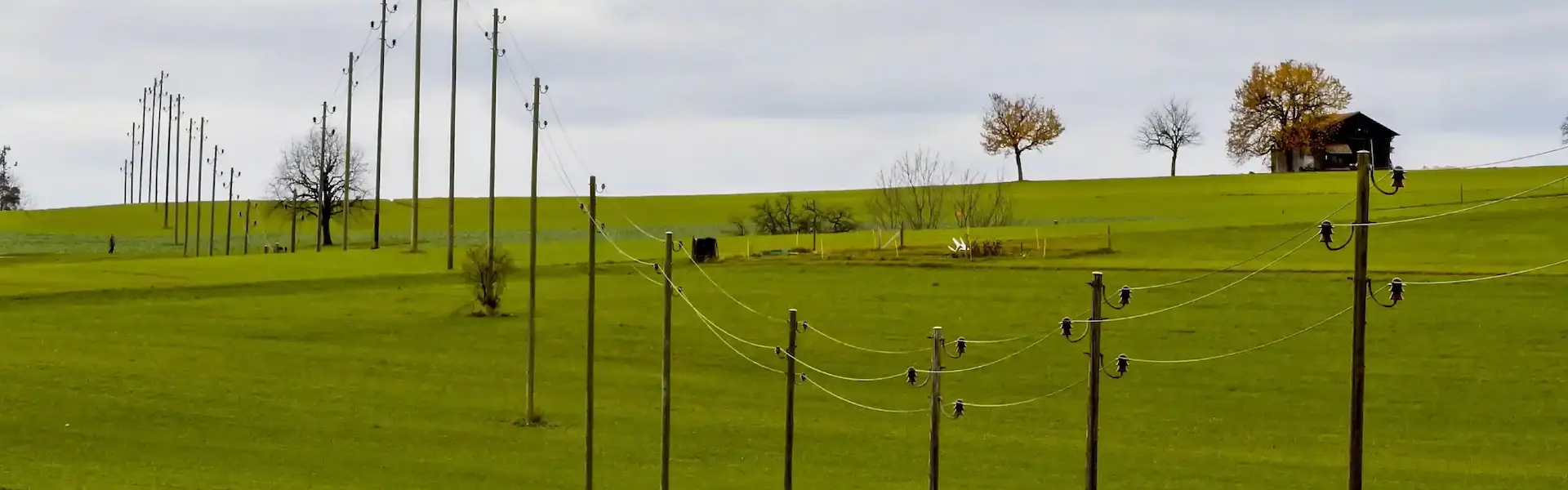
Common examples include utility easements for power lines and gas pipes, access easements allowing a neighbor to cross your property to reach their own, drainage easements for stormwater management, and shared driveway agreements between adjacent properties.
Easements are considered an "interest in land" under Illinois law, which means they're more than just informal agreements. They're enforceable property rights that can run with the land - binding not just the original parties, but future owners as well. Because of this lasting impact, easements can also significantly affect property values - learn more in our guide on how easements impact property values in Illinois.
Types of Easements in Illinois
Illinois recognizes several categories of easements, and knowing which type you're dealing with affects your legal options:
Express Easements
Express easements are created through written agreements - typically in a deed, a separate easement document, or a subdivision plat. These are the most common type of easement and the easiest to identify through a title search. The documents usually specify the easement's purpose, location, and any restrictions on use.
Implied Easements
Implied easements arise from circumstances rather than written documents. Illinois courts recognize easements by necessity (when property is landlocked and needs access to a public road) and easements from prior use (when a property owner used one parcel to benefit another before dividing the property). These can be harder to prove but are legally enforceable once established.
Prescriptive Easements
Prescriptive easements are created through continuous, open, and hostile use of another's property for 20 years or more. The use must be without the owner's permission and under a claim of right. These often surprise property buyers who didn't know someone else had established legal rights through long-term use.
Common Easement Disputes We Handle
Easement disputes take many forms. We regularly help clients with:
- Scope disputes - The easement holder is using the easement for purposes beyond what was originally granted, or claiming broader rights than the easement allows
- Blocking or interference - A property owner is preventing lawful easement use, or an easement holder is interfering with the owner's remaining property rights
- Prescriptive easement claims - Someone claims they've acquired easement rights through 20 years of continuous use, or you need to defend against such a claim
- Maintenance disputes - Disagreements over who is responsible for maintaining the easement area and what happens when maintenance is neglected
- Easement location - Uncertainty about where exactly an easement runs, especially with older easements that lack precise legal descriptions
- Termination disputes - Questions about whether an easement has been abandoned, whether necessity still exists, or whether the easement can be extinguished
- Development interference - An easement is blocking construction, renovation, or a real estate transaction
Many easement disputes also involve related property line disputes or overlap with broader title issues. In many cases, these disputes trace back to problems with how the easement was drafted in the first place. Our post on how poorly drafted easements create legal problems in Illinois covers the most common issues we see.
How We Help with Easement Disputes
Our approach depends on your situation and goals. Sometimes the priority is protecting your right to use an easement. Other times it's removing or limiting an easement that's burdening your property. We help clients:
- Interpret easement documents - Understanding exactly what rights were granted, what restrictions apply, and what the easement holder can and cannot do
- Negotiate modifications or releases - Working with easement holders to relocate, narrow, or terminate easements when possible
- Challenge invalid or abandoned easements - Building the evidence needed to show an easement was improperly created, has been abandoned, or should be terminated
- Defend against prescriptive easement claims - Documenting permissive use, interruptions, or other factors that defeat a prescriptive easement claim
- File quiet title actions - Asking a court to determine who has valid easement rights when the situation is unclear or disputed
- Enforce easement rights - Taking legal action when someone is blocking or interfering with your lawful easement use
Resolving Easement Disputes
Not every easement dispute requires litigation. We evaluate each situation to find the most effective path forward.
Negotiation
Many easement disputes can be resolved through direct negotiation. If you can demonstrate that an easement isn't necessary, offer an alternative that works for both parties, or agree on clearer terms, the dispute may be settled without court involvement. Any modification should be documented in a written agreement and recorded with the county.
Quiet Title Actions
A quiet title action asks the court to determine who has valid rights to property. These are particularly useful when an easement's validity or scope is unclear, multiple parties claim easement rights, you believe an easement was abandoned but the holder disputes it, or ancient easements appear in title records without clear documentation. Once the court rules, the judgment is recorded and binds all parties and their successors.
Termination Through Abandonment
Illinois law allows easement termination through abandonment, but the standard is high. Non-use alone isn't enough - you must prove the easement holder intended to permanently give up their rights. Evidence can include long periods of non-use combined with other circumstances, statements or conduct showing intent to relinquish rights, or the property owner's actions that the easement holder acknowledged.
Challenging Easement Scope
Even if you can't eliminate an easement entirely, you may be able to limit how it's used. Illinois courts interpret easement rights based on the original grant language and the circumstances when it was created. Easement holders cannot expand their use beyond the original purpose, and for prescriptive easements, the scope is strictly limited to the actual use during the 20-year establishment period.
When litigation becomes necessary, we handle easement cases in courts throughout Cook County and surrounding counties. Learn more about our approach to real estate litigation.
Common Questions About Easement Disputes
How long does it take to establish a prescriptive easement in Illinois?
In Illinois, a prescriptive easement requires 20 years of continuous, open, and hostile use without the property owner's permission. The use must be under a claim of right - meaning the person using the property acts as if they have legal authority to do so. If any of these elements is missing, or if the use was interrupted, the prescriptive easement claim fails.
Can I build a fence or structure in an easement area?
Generally, you cannot build anything that interferes with the easement holder's rights. However, you may be able to build structures that don't obstruct the easement's purpose - it depends on the specific easement language and how the easement is being used. Building in an easement area without understanding your rights can result in being required to remove the structure at your expense.
Who is responsible for maintaining an easement?
Under Illinois law, easement maintenance is generally the responsibility of the party benefiting from the easement - the easement holder. However, the specific easement agreement may allocate maintenance responsibilities differently. Some easements require shared maintenance, and some place all responsibility on the property owner. Review your easement documents carefully.
Can an easement be terminated or removed?
Yes, easements can be terminated through several methods: mutual agreement between the parties, abandonment (with proof of intent to abandon), merger (when the same person acquires both properties), or end of necessity (for easements by necessity). Some easements also have built-in expiration dates. Terminating an unwanted easement often requires legal action to clear the title.
I just discovered an easement on property I'm buying. What should I do?
First, get copies of all easement documents and understand exactly what rights are granted and where the easement is located. Order a current survey showing the easement's precise boundaries. Assess how the easement affects your intended use of the property. Depending on what you find, you may want to negotiate with the seller, request a price reduction, require the seller to resolve the issue before closing, or walk away from the deal.
Dealing with an Easement Dispute?
Whether someone is claiming rights to your property, blocking your access, or an easement is threatening a transaction or development project, we can help you understand your options and protect your property interests.
Schedule a ConsultationWhat to Expect During Your Consultation
During your consultation, we'll discuss your situation, review your options, and give you a clear picture of what makes sense going forward. You'll leave the call with a better understanding of your legal position and the steps you can take to protect your property interests.